
[UPDATED] Creative Contract Documents
As a creative professional, developing strong design skills is only one part of building a successful practice. You also need to understand how to communicate with clients, price your work, define project expectations, manage payments, and protect your creative contributions.
This resource introduces the essential business documents and professional practices that support freelance and independent creative work. Use the examples and links below as starting points for developing a coordinated set of materials that reflects your own professional identity.
1. Invoices
An invoice is a formal request for payment issued after work has been completed or according to an agreed-upon payment schedule. It should clearly communicate what work was performed, how much is owed, and when payment is due.
Invoice Templates & Resources
Creative Market: Invoice Templates / Google Sheets Invoice Template / Adobe: Creating an Invoice Template
Invoice Examples
Invoice Template: Google Sheets (PDF) / Black Invoice Template (PDF)
Past Student Examples
Liam Gunning: Contract Documents / Vylette McKnight: Letterhead / Elise Folkerts: CV & Invoice / Faith Koh: Creative Contract Documents
2. Estimates & Project Proposals
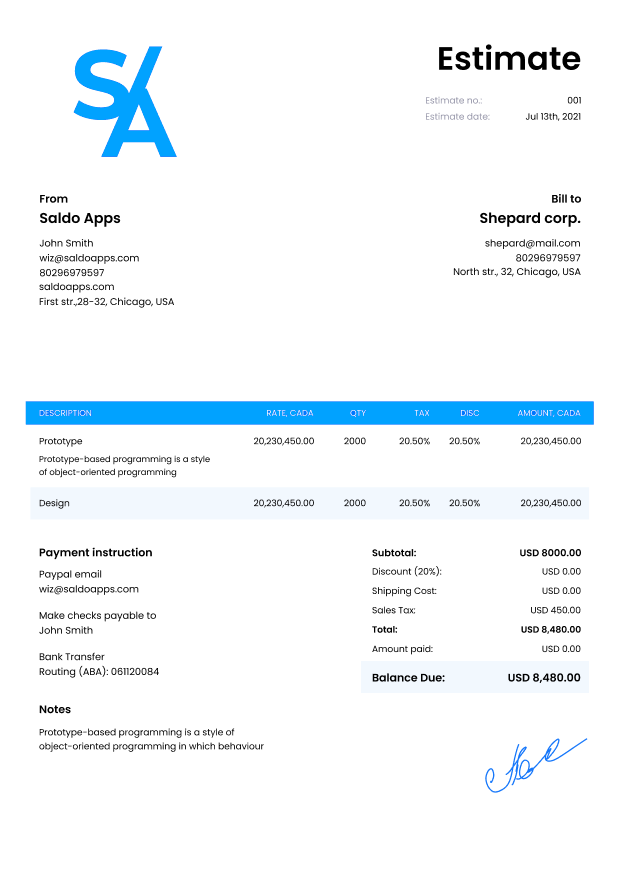
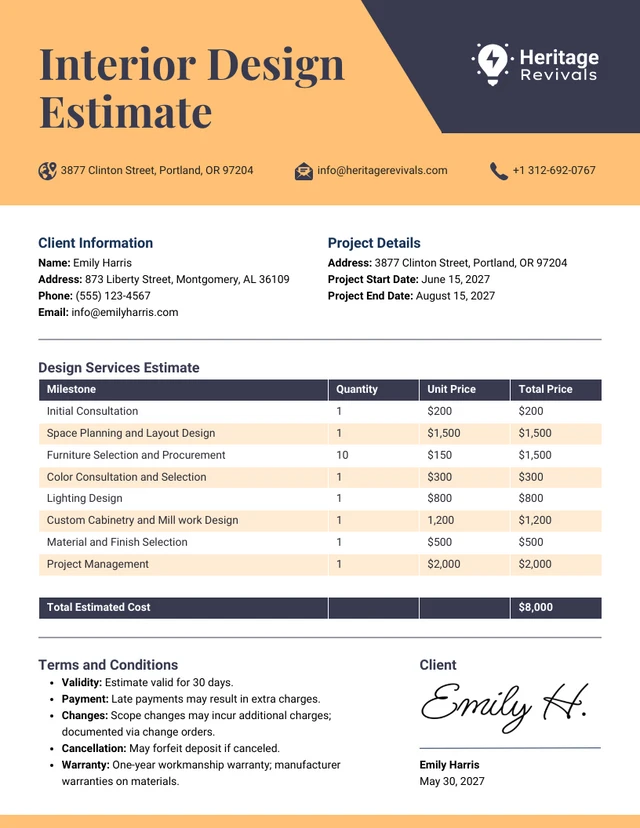
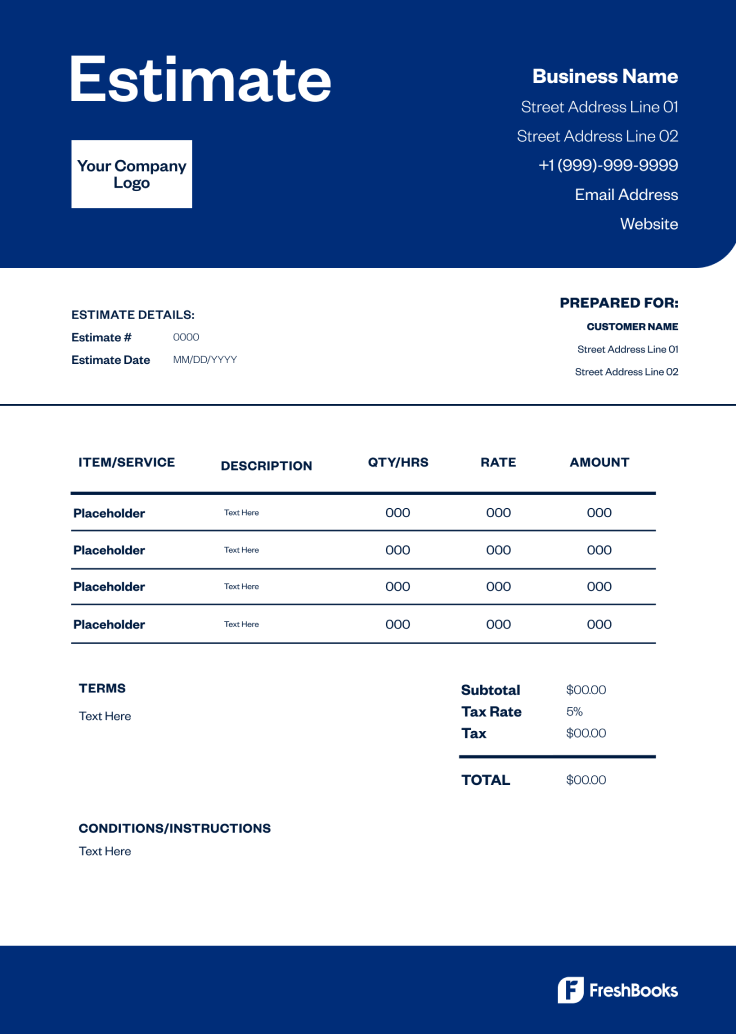
An estimate outlines the anticipated cost of a project before work begins. It helps establish a shared understanding of the project scope, deliverables, timeline, and fees. A proposal may also include the creative approach, project goals, and relevant services.
Templates & Examples
Saldo Invoice: Estimate Maker / Estimate Template 1 / Estimate Template 2 / Estimate Template 3
Past Student Examples
Shawn Collins: Estimate / Lamont Moore: Creative Services Estimate
3. Contracts & Client Agreements
A contract establishes the terms of a professional working relationship. It helps protect both the designer and the client by documenting responsibilities, expectations, payment terms, deadlines, revisions, ownership, and how changes to the project will be handled.
Even for smaller projects, having written agreements is an important professional practice.
Resources
AIGA: Standard Form of Agreement for Design Services / Freelancers Union: Contract Creator / Graphic Artists Guild: Contract Downloads
4. Pricing Your Creative Services
Determining what to charge for your work can be challenging. Pricing should account for more than the time spent designing. Consider research, concept development, production, revisions, project management, licensing, and the value of your expertise.
Explore these resources to better understand pricing structures and the business side of creative work.
SCORE: Pricing & Business Models / SCORE: Pricing & Cost Control / Graphic Artists Guild
5. Invoicing, Accounting & Business Management
As you begin taking on freelance projects, you will need a system for creating invoices, tracking expenses, monitoring payments, and organizing your business finances.
Tools & Guides
Wave: Accounting for Freelancers / Stripe: How to Invoice as a Freelancer
ADDITIONAL
6. Taxes & Freelance Business Resources
Freelancers and independent contractors are responsible for understanding their business income, expenses, tax obligations, and recordkeeping. Start learning about these responsibilities early in your professional practice.
IRS: Small Business & Self-Employed Tax Center / Freelancers Union: Resources
7. Copyright, Ownership & Usage Rights
As a designer, it is important to understand who owns the work you create and how that work may be used. A client paying for a design does not automatically mean they own every underlying creative right. Ownership, licensing, usage, and reproduction rights should be clearly addressed in your agreement.
U.S. Copyright Office: What Is Copyright? / Graphic Artists Guild: Contract & Licensing Resources
You must be logged in to post a comment.
Recent Posts


Leave a Reply